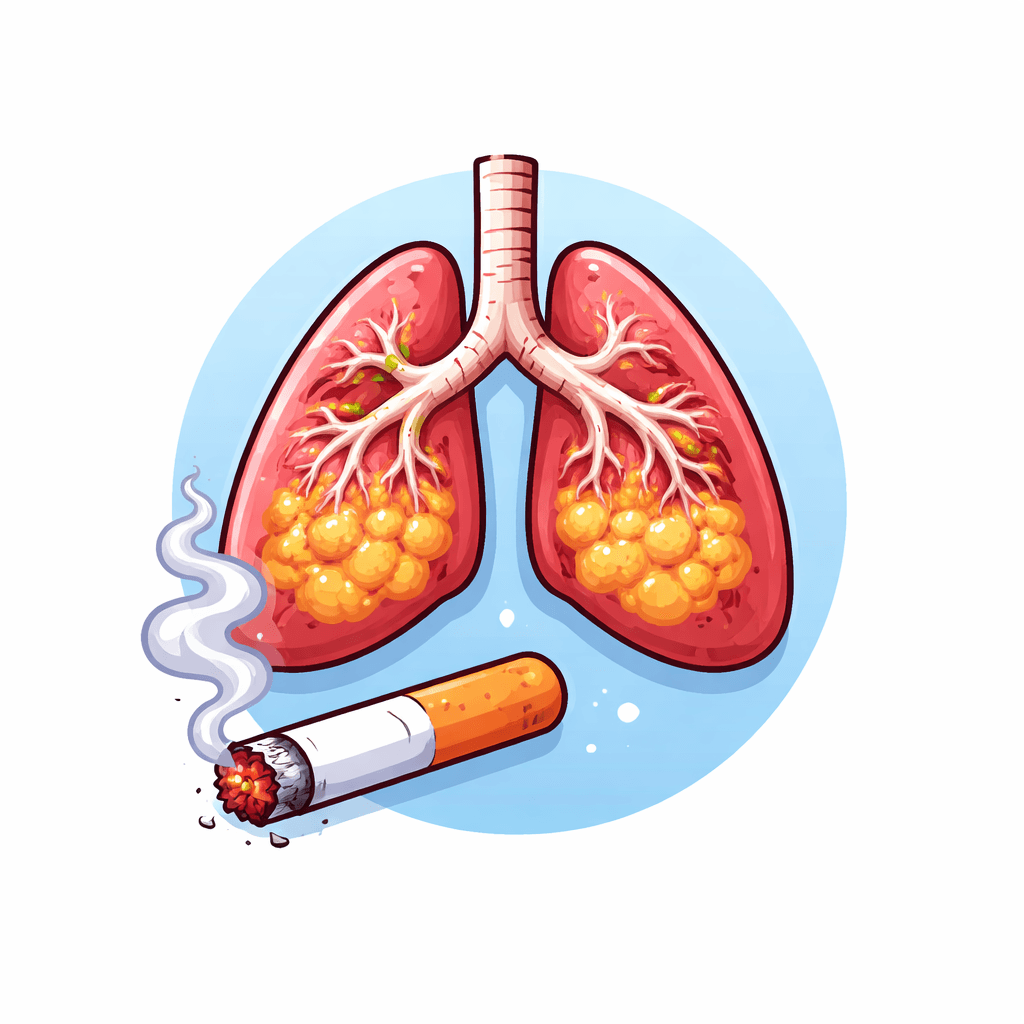
COPD is a respiratory disease that progressively obstructs the airways, making breathing increasingly difficult over time. It includes chronic bronchitis and pulmonary emphysema — conditions that frequently coexist. The primary cause is prolonged exposure to cigarette smoke. Despite being progressive, effective treatments exist that control symptoms and preserve quality of life.
Main symptoms
- Shortness of breath, especially with exertion
- Chronic cough
- Frequent mucus production
- Wheezing
- Fatigue and reduced physical capacity
Symptoms are subtle at first, often mistaken for normal aging. Over time, breathing limitations become more evident.
How diagnosis is made
The main test is spirometry, which measures the amount of air exhaled and flow speed, confirming obstruction. The pulmonologist may complement the evaluation with chest X-ray or CT scan as needed.
Treatment
Treatment cannot reverse existing damage, but controls symptoms, reduces exacerbations, and slows disease progression.
- Inhaled medications to open airways and reduce inflammation
- Smoking cessation — the most important step
- Vaccination against flu and pneumococcus
- Pulmonary rehabilitation with supervised exercise
- Home oxygen therapy in advanced cases
Why early diagnosis matters
Many people live for years with cough and breathlessness without investigating the cause. Early diagnosis allows treatment to begin before the disease advances significantly — protecting remaining lung function and improving long-term quality of life.